Solve a real problem.
Understand who experiences the problem, how they manage it today and what improvement would matter. Define a useful result before choosing the solution.
Follow the SARP workflowFor people. For businesses.
For the places they share.
We turn practical needs into products, services and projects that work in real life. Our core pillars carry out the research, design, engineering, technology, finance and commercial delivery. The work spans homes and care, food, production, trade and local development.

Our work connects living environments, property, food, engineering, production, trade and technology. A home can bring care, energy and real estate together. A food offer connects daily needs with production and delivery.
Highlighted areas relate to your selected perspective. Every area remains open to explore.
We connect homes and services with how people live. Design, prefab construction, materials, indoor conditions and useful technology are developed around residents’ needs. Access to health and care services, practical support and the long-term property and operating economics belong in the same picture.
A home needs to work for its residents today and as circumstances change. Seniors, people with disabilities and households with allergy-related requirements can have very different priorities.
We develop viable uses for properties and places by connecting demand, physical assets, services and the people who operate them. This can bring property development together with maritime activity, tourism, local business and municipal needs.
An underused building, site or harbour may have several possible futures. Owners and communities need a route that serves a real need and can be developed and operated on clear terms.
We work on the complete food offer: who needs it, how it is made or sourced, and how it reaches the buyer. Food connects everyday living and care with production, logistics, wholesale, retail and institutional supply.
People need food suited to their circumstances and budgets. Producers and operators need predictable quantities, clear handling responsibilities and a delivered price that supports the operation.
We develop the product and the practical route to making it. Mechanical design, prototypes, materials, tooling, manufacturing, assembly and maintenance are connected to demand, cost and delivery from the beginning.
An idea or prototype needs a repeatable production method, reliable quality and a way to reach and support customers. The needs of operators, manufacturers and service teams all affect the design.
We connect resource use with the way a home, facility or local service operates. The work covers site requirements, energy and water options, storage, controls and maintenance, including off-grid arrangements where they fit the need.
A system needs to be practical for its location and users. Running costs, reliability, understandable controls and the ability to maintain it matter throughout its life.
We develop how a product or service reaches its customer. Direct sales, wholesale, retail and local distribution each have different buyers, volumes and operating requirements. Mätas helps adapt the offer to the behaviour of each market.
A useful offer needs customers and a dependable route to them. Pricing, stock, transport, delivery, returns, support and working capital all affect whether the commercial model works.
We develop digital tools and put technical knowledge to practical use. Software, data, AI and connected equipment support real workflows in homes, businesses, public services, production and trade. Research is developed around a useful application.
People lose time between disconnected tools, or a technical idea has no clear user or commercial route. Development needs to address the task, operating environment and support after launch.
A selection of areas we are working on. The problems describe how we apply our capabilities; individual project details stay private. The same core disciplines also apply in other fields.
For physical products, the work connects the complete route to the customer. Each project defines its relevant stages and responsible producers, operators and service teams.
Understand the user and the buyer.
Develop and prove a useful solution.
Plan materials, quantities and quality.
Make the supply route dependable.
Reach customers through suitable channels.
Fulfil the offer in practice.
Keep responsibility clear after delivery.
Learn, adapt and enter the next market.
The pillars are the working core of LatestInvest. Our core team and pillar partners research, design, develop, test and deliver. The same disciplines support our own ventures and the work we carry out for clients.
Our pillar teams carry the work from research and development into commercial execution. Domain experts add the knowledge of a particular industry, asset or profession. LatestInvest leads the overall project, with a clear scope, responsible leads and agreed deliverables.
See all ten pillarsResearch informs development. Design and engineering make the solution useful and practical to produce. Technology, security, finance and commercial work shape how it can operate and grow. Choose a brief to see how the emphasis changes within the same core.
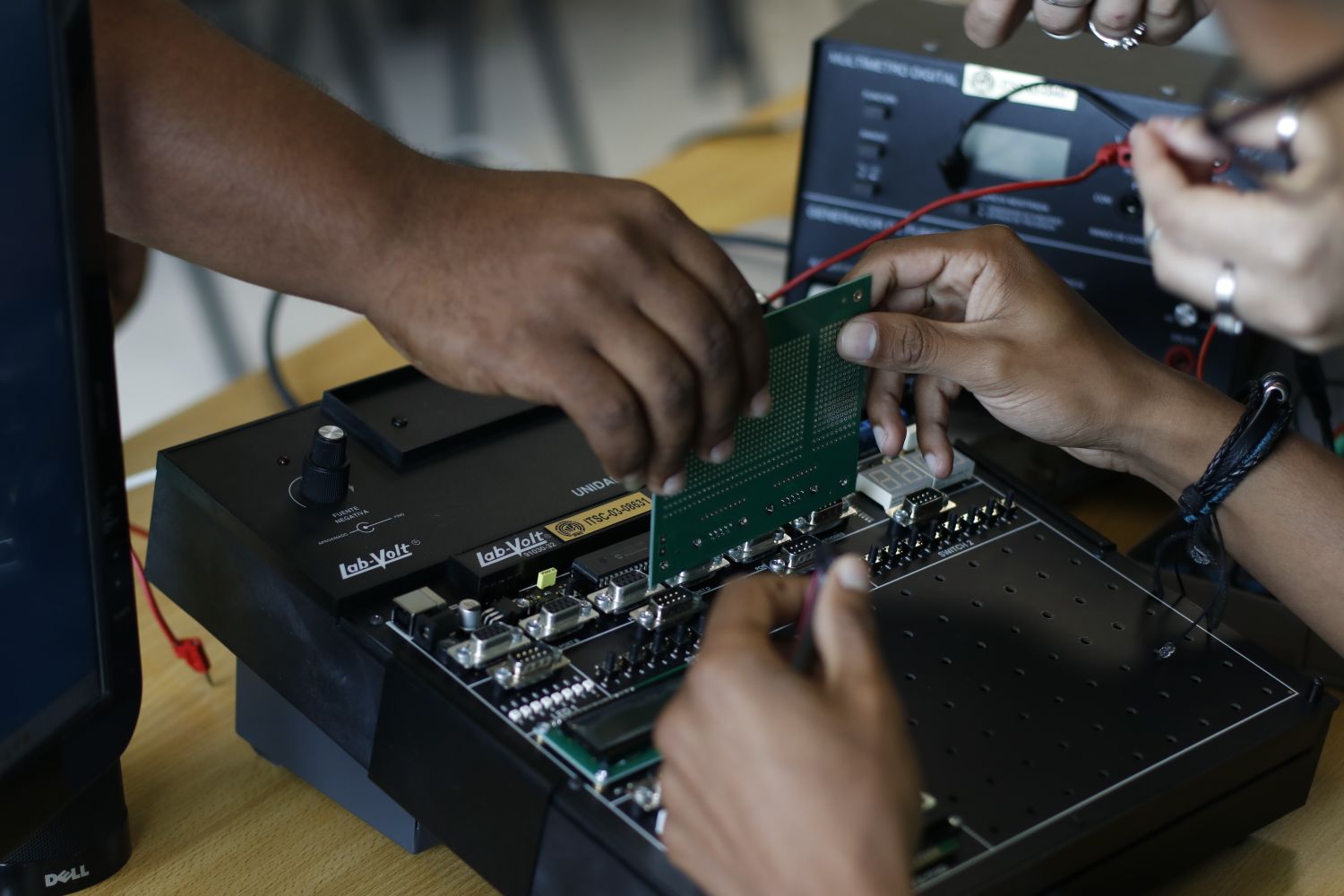
Our pillars provide the functional depth: research, design, engineering, technology, security, finance and commercial delivery. A domain expert contributes the industry knowledge that makes this work relevant to the actual operation.
Understand who experiences the problem, how they manage it today and what improvement would matter. Define a useful result before choosing the solution.
Follow the SARP workflowStudy people, language, trust, buying habits, existing alternatives and local conditions. Use that understanding to adapt the offer, sales channels, delivery and service model when entering a market or scaling.
We develop the opportunity and lead the work across our pillars. Research, design, engineering, technology, security, finance and commercial delivery share the same project plan, so decisions in one discipline are carried through into the others.
We can lead a client project or help develop a new venture. Our responsibilities, fees and any ownership interests are agreed before work begins.
See how a project movesA resident uses the home, an operator provides support and an owner or institution may pay. We establish each role, the real need and the operating responsibilities before defining the project.
These are the disciplines through which LatestInvest works every day. Each pillar has a clear professional responsibility, a working method and concrete outputs. Explore the daily work, practical applications and deliverables behind each capability.
The pillars form a continuing operating core across LatestInvest’s work. Every engagement defines its responsible lead, scope and deliverables. Domain experts add sector knowledge within that structure.
Explore representative problems in housing, food, mechanics, operations, market entry and investment preparation. Each example explains the need, the work and what a useful result looks like.
People, entrepreneurs, investors, local communities and municipalities can approach the same situation from different perspectives. The relevant work follows the problem, the market and who will use and operate the result.
Illustrative project examples showing how the capabilities can be combined. The work and success measures are agreed for each project; these are not claims of completed client results.
Solve a real problem. Understand the market. Develop and deliver a workable response, then check whether it improved the original situation.
Understand who experiences it, how it is handled today and what improvement would matter. Identify the user, buyer, payer and owner.
OUTPUT / A clear need and useful outcomeApply Mätas: research behaviour, trust, language, alternatives and purchasing. Understand the local conditions and what the offer needs to get right.
OUTPUT / Evidence and local requirementsOur pillars assess design, engineering, technology, demand and economics. Test the important unknowns and compare adapting what exists with developing something new.
OUTPUT / Test findings and a reasoned routeSet the scope, budget, ownership, funding needs, milestones and responsible leads. Define production, delivery and the long-term operating arrangements.
OUTPUT / One costed plan with clear responsibilitiesCarry out the agreed design, development or production. Manage suppliers, testing, sales routes, logistics and handover against the required quality and scope.
OUTPUT / A tested product, service or first stageCheck the effect on the original problem, running costs, reliability and user experience. Adapt using real feedback. Apply Mätas again before entering the next market.
OUTPUT / Evidence to continue, adapt or expandMore sales. A suitable home or service. A product that needs making. A local priority or an investment worth understanding.
Tell us what you want to move forward. Our core capabilities turn that starting point into research, development and a practical plan for the work.
You can also bring your team’s specialist capability or your own knowledge of a field into the work.
The brief builder keeps your answers in this tab. Nothing is sent until you choose to email it.
The role depends on the project. We can develop the opportunity, coordinate a team or participate as a principal. Each engagement defines the role, fees, decision rights and any ownership interest. Participation does not imply committed investment capital.
The pillars are LatestInvest’s core professional disciplines, carried by our core team and pillar partners. They perform the research, development, security, financial and commercial work. Domain experts add the knowledge of a particular field and its daily reality. The two contributions work together, with clear responsibility for each.
There is no universal arrangement. Each project agrees its budget, payment schedule and risk allocation. Any deferred fees, contributed work or performance participation are documented before commitment, including what happens if the project stops or is not profitable.
A project-specific brief: responsible parties, budget and funding need, ownership and decision rights, key assumptions, risks, milestones and supporting evidence. Financing decisions remain with the relevant capital provider. We do not present prospective funding as secured.
The current areas show where we are applying our work; the examples explain representative problems. Our core disciplines span markets and industries. SARP starts with the need, while Mätas establishes how a solution fits the market. Our core pillars apply their disciplines to the project, with domain experts contributing the relevant industry knowledge. Specialist permissions, qualifications and delivery capacity are confirmed for the proposed scope.
SARP means solve a real problem: start with a clear need and define what improvement matters. Mätas means understanding how a market works, including people’s behaviour, trust, language, buying decisions and local conditions. Together they guide development, entry into new markets and scaling.
No. A concrete operational problem, a credible opportunity or relevant expertise can be enough for an initial conversation. Before substantial work begins, we need an accountable owner and agreement on the time, information and resources for the next step.